
Underlying the Label HMDD Rests a Story — What “Happy Memories Don’t Die” Really Means
Every clothing brand claims to have a story, but few build their entire identity around a single phrase the way HMDD has. The name itself is an acronym — Happy Memories Don’t Die — and it isn’t a marketing afterthought. It’s the reason the brand exists. Understanding what that phrase means, and why it resonates with the people who wear HMDD clothing, requires looking past the hoodies and sweatpants and into the idea that clothing can carry emotional weight the same way a photograph or a song does.
Fundamentally, the saying speaks to permanence in the face of loss. Memories dull, people evolve, circumstances change, but the brand’s outlook asserts that the good moments — the experiences that shaped your identity — refuse to disappear simply because time keeps passing. That’s a weighty idea to attach to a streetwear brand, still this is precisely the reason so many shoppers typing in “hmdd review” or “hmddla” leave with the impression that they encountered something deeper than a run-of-the-mill apparel transaction.
The Source of the Name
That four-letter shorthand HMDD stands for Happy Memories Don’t Die, and the phrasing is intentional in its plainness. Four words, four letters — no punctuation is needed to make sense of it. This type of direct, emotionally-loaded naming has grown more widespread among small-run streetwear labels over the past several years, but HMDD leans harder into the emotion than most, employing it as a recurring theme across product drops rather than a one-time slogan.
That “hmddla” query is rooted in the label’s close ties to the LA streetwear culture, and it’s the quick label buyers and followers use when searching for the label online.
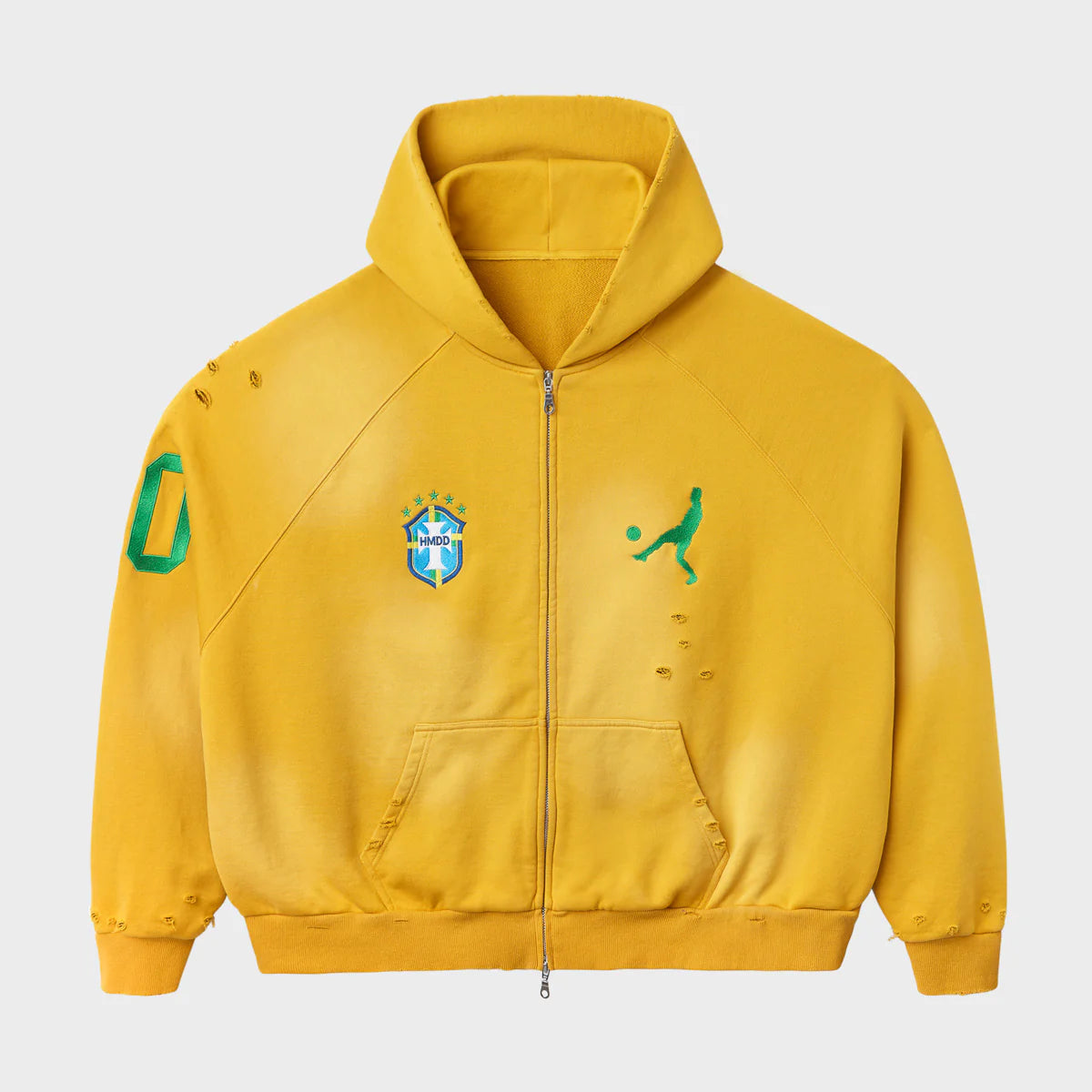
LA has given rise to a disproportionate share of game-changing streetwear labels over the past twenty years, and HMDD belongs within that hmdd logo hoodie tradition: limited-run releases, emotionally resonant branding, and a style sensibility that prioritizes understated comfort over loud logos.
What makesthe narrative gripping isn’t just the label itself — it’s the steadiness with which the label carries it through. Whether it’s item write-ups, release titles, or the packaging, one recurring notion keeps resurfacing: keep hold of what’s good, and let it ground you. For shoppers who increasingly expect brands to represent more than just the product, that reliability makes a difference.
What “Happy Memories Don’t Die” Truly Means to Shoppers
The ambiguity is on purpose, but poll ten separate HMDD shoppers what the phrase signifies for them personally and you’ll almost certainly receive ten distinct answers. To certain people, it’s about a loved one who’s gone. For a different group, it’s more straightforward — an encouragement to savor good moments before they fade into recollection. This kind of open-ended emotional branding is one reason the phrase has made its way well beyond the clothing itself, turning up in captions, tattoos, and conversations that have zero relation to a specific product.
The piece functions as a carrier for that idea instead of being the point of it. A hoodie with “Happy Memories Don’t Die” stitched or printed across it isn’t just a garment; for many buyers, it’s a wearable reminder. That deeper emotional function is part of why HMDD clothing often generate repeat customers rather than one-time buyers — people come back not just for fresh color options but because the message still means something to them months or years later.
This is also why searches for an “hmdd review” regularly bring up feedback that goes beyond sizing and material. Commenters regularly highlight the feeling behind the label ahead of mentioning construction quality or fit, something rarely seen among streetwear labels and speaks to how skillfully the narrative has been built into the overall product feel.
The Collection Range: The Place Where the Vision Comes Together With the Fabric
HMDD’s catalog centers on everyday essentials rather than complicated silhouettes, and that’s intentional — the idea is that the message should live in pieces people actually wear on repeat, not just special-occasion items. Sweatpants and shorts make up a significant portion of the lineup, and both categories have become the entry point for a lot of new customers discovering the brand for the first time in 2026.
HMDD sweatpants are designed around a relaxed, everyday fit rather than an athletic or slim cut, which aligns with the broader streetwear shift toward comfort-first loungewear that’s been building since the early 2020s and shows no signs of reversing. HMDD shorts follow the same logic — built for warm-weather versatility rather than performance activewear, positioned closer to lifestyle wear than gym gear.
Whenever someone asks which HMDD items rank highest, the answer usually comes down to the function you want the piece to serve. If you want a piece that’s front-and-center with the brand’s message, graphic hoodies and tees usually display the boldest branding. Should you prefer a quieter piece that still reflects the underlying philosophy, sweatpants and shorts with subtler detailing are typically the pieces long-time customers recommend to newcomers.
Comparing HMDD Against Conventional Streetwear Branding
Setting HMDD’s method next to the more common branding strategies found in the streetwear space helps clarify what distinguishes it. The chart that follows lays out a few key differences in outlook and product emphasis.
| Category | Typical Streetwear Brand | HMDD |
|---|---|---|
| Core Message | Branding centered on logos, status signaling | Emotional narrative centered on memory and loss |
| Product Focus | Hype drops, limited-run hoodies and tees | Everyday essentials like sweatpants and shorts alongside graphic pieces |
| Bond With Customers | Often trend-based, short attention span | Lasting emotional bond to the phrase and its meaning |
| Regional Identity | Inconsistent, often unclear | Rooted in LA streetwear culture (hmddla) |
| Reason for Return Purchases | Fresh releases, hype cycles | Continued resonance of the “Happy Memories Don’t Die” message |
None of this is meant to claim one approach is inherently superior — hype-driven branding has built plenty of successful labels. But it does explain why HMDD’s growth has taken a different shape. Instead of relying purely on scarcity or logo visibility, the brand has built something closer to a community centered on a collective emotion, which generally creates more consistent, devoted interest rather than short bursts tied to a single drop.
Why This Narrative Still Resonates in 2026
Emotional branding isn’t new, but the hunger for it has expanded considerably heading into 2026, as more shoppers — particularly younger consumers — say they gravitate toward brands with a defined perspective over ones that merely follow fads. HMDD is helped by having established its base on that kind of genuineness long before it turned into a market requirement rather than a optional extra.
There’s also the practical side of it: comfort-driven categories like sweatpants and shorts have held their ground in casual wardrobes for multiple consecutive years, and that’s unlikely to change soon. By grounding its best-selling everyday pieces in categories people already reach for daily, HMDD ensures its message gets seen repeatedly rather than being tucked away for rare moments.
The phrase itself has also shown lasting power because it isn’t tied to a specific fad, viral moment, or passing craze — loss, sentimentality, and the wish to keep good memories alive are constants no matter the year. That timelessness is perhaps the brand’s biggest asset going into 2026 and beyond, providing lasting relevance that purely aesthetic streetwear brands often struggle to maintain once trends shift.
Closing Thoughts on the HMDD Story
What makes HMDD’s backstory worth sharing isn’t complicated marketing machinery — it’s how simple the idea is and the consistency with which the brand has held to it. Happy Memories Don’t Die isn’t just a name on a tag; it’s a core belief stitched into casual essentials like sweatpants and shorts, designed for frequent wear that the idea settles into everyday routine as opposed to a single passing declaration.
Whether you’re comparing products, reading reviews, or just curious why a phrase like this has caught on this way, the reason traces back to something pretty common: folks crave reminders that the good moments in their lives mattered and still matter. HMDD shaped its identity around celebrating that idea, and in doing so, converted an ordinary acronym into something a lot of people now wear with genuine meaning.